
Cultural perspectives on gambling How traditions shape the stakes
Cultural perspectives on gambling How traditions shape the stakes
The Historical Context of Gambling
Gambling has been a part of human history for centuries, manifesting in various forms across different cultures. Ancient civilizations such as the Chinese, Egyptians, and Romans engaged in games of chance, often associating these activities with fate and fortune. For beginners, understanding this historical context is crucial, as it illustrates that gambling is not merely a modern pastime, but rather a deeply rooted cultural activity that reflects societal values and beliefs about luck and destiny. In exploring this landscape, one can also find betting sites in uk that are tailored to meet diverse preferences.
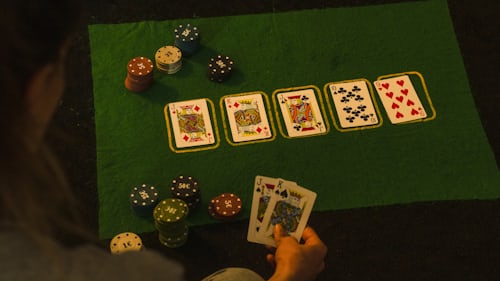
In many indigenous cultures, gambling was often integrated into rituals and celebrations. For example, Native American tribes have traditionally included games of chance in their communal gatherings, often using them as a means of storytelling and social bonding. This cultural significance highlights how gambling transcends mere entertainment, evolving into a medium for cultural expression and preservation.
The evolution of gambling has also been influenced by legal frameworks and societal norms. For instance, during the 19th century in the United States, gambling was often demonized, reflecting societal concerns about morality and social order. Conversely, the legalization and regulation of gambling in modern times have made it a mainstream activity, affecting its cultural perception and the way it is practiced today.
Cultural Variations in Gambling Practices
Cultural differences play a pivotal role in shaping gambling practices around the globe. In Western cultures, gambling is often seen as a form of entertainment, primarily focused on games like poker, blackjack, and sports betting. The commercialization of gambling through casinos and online platforms reflects a more liberal attitude towards these activities, making them easily accessible and widely accepted.
In contrast, Asian cultures may approach gambling with a blend of spirituality and superstition. For instance, in countries like China, gambling is frequently associated with festivals and family gatherings, reinforcing communal ties. Traditional games like Pai Gow and Mahjong not only serve as entertainment but also carry cultural significance, embodying social values and collective identity.
This divergence in cultural attitudes towards gambling shapes not only the types of games played but also the social settings in which they occur. In some cultures, gambling can involve elaborate rituals and symbolism, while in others, it may simply be a casual activity among friends. This reflects the complex relationship between culture and the way gambling is perceived and practiced.
Socioeconomic Factors Influencing Gambling
The socioeconomic landscape significantly influences gambling behaviors and perceptions. In regions where economic opportunities are scarce, gambling may be viewed as a viable means of financial gain. This phenomenon is particularly evident in developing nations, where lotteries and informal gambling operations flourish as individuals seek alternative income sources.
Conversely, in more affluent societies, gambling is often seen as a recreational activity rather than a necessity. This distinction affects the types of gambling available, with luxury casinos and sophisticated betting platforms catering to a wealthier clientele. The abundance of choices in these environments can transform gambling into an elitist pursuit, impacting how culture views risk and reward.
The intersection of culture and economy can also lead to differing regulatory frameworks. Regions with a strong cultural aversion to gambling may impose strict regulations or outright bans, while others may embrace it as a source of tourism and economic development. Such policies shape the gambling landscape, reflecting the cultural values that underpin them.
The Role of Technology in Shaping Gambling Culture
Advancements in technology have dramatically transformed the landscape of gambling, influencing not only how people gamble but also the cultural perceptions surrounding it. Online casinos and mobile betting applications have made gambling more accessible than ever, allowing individuals to engage with games from the comfort of their homes. This ease of access has contributed to a shift in how gambling is integrated into daily life.
Moreover, technology has enabled the creation of virtual gambling communities, where players from diverse cultural backgrounds can interact and share experiences. These platforms often blend traditional elements with modern conveniences, creating a unique gambling culture that transcends geographic boundaries. As a result, players can experience various cultural approaches to gambling, fostering a broader understanding of its significance.
However, the rise of online gambling also raises concerns regarding responsible gaming and addiction. As technology continues to evolve, it becomes increasingly crucial for cultures to develop mechanisms that address these challenges, ensuring that the thrill of gambling does not overshadow its potential negative impacts. This duality illustrates how technology plays a vital role in shaping modern gambling culture.

Conclusion and Reflection on Gambling Culture
Understanding the cultural perspectives on gambling offers valuable insights into how traditions shape our perceptions and practices. From historical roots to modern technological influences, the way societies engage with gambling reflects broader cultural values and social dynamics. As gambling continues to evolve, it is essential to appreciate the diverse interpretations and meanings attached to it across different cultures.
This exploration not only highlights the significance of gambling as a cultural activity but also underscores the need for ongoing dialogue about responsible gaming and cultural sensitivity. By recognizing the cultural contexts in which gambling exists, individuals can foster a more informed and respectful approach to this complex activity, enriching their understanding and appreciation of its diverse expressions.